Moira Young

Young%2c Moira Please Use This for Publicity 2Credit www.benjaminharte.comInterviewed by Jessica Bradford

Originally from New Westminster, BC and a graduate of UBC, Moira Young moved to the UK to attend The Drama Studio, becoming a tap-dancing chorus girl in London’s West End before returning to Canada and retraining as an opera singer. She spent several years performing in Europe until 2003 when she fell off a bus on her way to her debut as a sketch comedienne, broke both her wrists and suffered a concussion. She decided it was a “sign from the universe” and took a course in writing for children.

Eight years later her debut novel, the YA fantasy Blood Red Road, won the Costa Children’s Book Award, the British Columbia Book Prize for Children’s Literature and France’s Le Prix des Incorruptibles. It is now being developed for film by Ridley Scott. Her second book, Rebel Heart, was a finalist for the Sunburst Prize, BC Stellar Award and Monica Hughes Award for Science Fiction and Fantasy. The final book of the trilogy, Raging Star, was published in 2014. Moira’s writing has been described by the New York Times as having “an elemental power, unfolding across achingly barren landscapes, full of blistering hot winds and swirling clouds of orange dust.”

Moira kindly took time out of finishing her latest novel to answer a few questions.

You have said that the landscape of your trilogy is influenced by your childhood in BC, by descriptions of the dust bowl and the landscape of westerns.  Living in BC and reading your novels I often felt like I was in familiar country, the descriptions were so tangible. Do you find yourself being drawn to the British landscape in the same way?

That large, visual landscape is in my DNA, it seems. I put that down to our summer driving holidays during my first nine years, exploring British Columbia. Those landscapes have been altered, filtered through memory and movies, to become something mythic; I mean, in a deeply personal sense. And it’s nothing to do with being an outdoorsy person. Generally, I find most Canadian landscapes too large for comfort, too immense to even comprehend. Yet if I’m away from them for too long, I feel an urgent need to return.

Much of the UK is on a much more human scale. You feel that you’re walking where people have walked for thousands of years and worn the land to their lives. The right to roam makes it easy to get off the beaten track. I love to explore the British countryside and I read a lot of UK landscape writers, Robert Macfarlane, for one. I’m more drawn to the fringes – Cornwall and Scotland, where my family come from – so perhaps I’ll write something set there one day. But it can only ever be from the viewpoint of an outsider. It’s not my land. I’m connected to Canadian landscape in a visceral way.
[Read more…]

Monica Heisey

Monica HeiseyInterviewed by Christine Bortolin

Monica Heisey brings the funny, but she also brings the heartbreak. She is able to openly and honestly reveal herself, using her personal experiences to explore larger themes.

Her website lists her as a comedian and writer living in Toronto, but those titles don’t do justice to the many ways she works her craft. She has a history of performing live improv and stand up, which is probably why she can weave tragedy and comedy so deftly. She could break a pen and, as the ink spilled out, it would form an essay on her first break up, foiled by the history of the burrito. Her essays, articles, and short fiction have appeared in VICE, Broadly, The Hairpin, Rookie, The Guardian, Reader’s Digest, The Huffington Post, FASHION, Playboy, Noisey, and the list goes on. She was an editor at She Does the City and is now editor-at-large at VICE’s female-centric channel Broadly. Her fantastic new book I Can’t Believe It’s Not Better: A Woman’s Guide to Coping With Life is as hilarious and heartfelt as Heisey herself.

She kindly took the time to answer a few questions for me.

What was your first piece of professional writing? What do you consider “professional writing”? Were you scared about it?

My first piece of professional writing was for my grandfather’s Penetanguishine quarterly newspaper in Georgian Bay. I was 11 and we went out in this helicopter to take pictures for their spring issue. I wrote up a little first-person account of the experience. A few weeks after my story was published, I got a cheque in the mail for $65. My grandpa had processed an invoice for me and paid me like the regular writing staff. 

These days I consider “professional writing” to be writing that helps you earn your income, although I’m not convinced financial gain is a good metric by which to judge creative pursuits. “Professional” writing and “good” writing can be very different things.

[Read more…]

Ryan North

North_photo (1)Interviewed by Kyle Schoenfeld

Ryan North is a Toronto-based writer, cartoonist, and computer programmer.  He began writing the award-winning webcomic Dinosaur Comics in 2003.  Since then Dinosaur Comics has been collected in four print volumes.  From 2012 to 2014, Ryan wrote the Eisner- and Harvey-Award-winning Adventure Time comic book series.  His other writing credits include The Midas Flesh and Marvel’s The Unbeatable Squirrel Girl.

Outside of comics, Ryan co-edited and wrote for the 2010 short story collection Machine of Death (inspired by a Dinosaur Comics strip) and its 2013 follow-up volume This is How You Die.  Also in 2013, he published To Be or Not to Be, a chooseable-path version of Shakespeare’s Hamlet; a sequel called Romeo and/or Juliet is currently in progress.

As a long-time fan of Dinosaur Comics and a contributor to This is How You Die, I was excited to get the chance to talk to Ryan.  We corresponded via email.

In the past, you’ve said you don’t like the label “writer.”  Is there a label or a job description that fits your career to this point?  Does “cartoonist” cover it?

Oh, I’d almost forgotten about that!  I’ve always been twitchy around labels.  These days if I’m at a party and someone asks what I do, I’ll answer depending on how interesting I want to seem.  If I want to seem the least interesting I’ll say I’m a computer programmer (which is true!  I run Project Wonderful, which is an ad network I wrote that is designed, unlike all other ad networks, NOT to suck) but if I want to seem more interesting I’ll say “writer.”  And if I want to seem super interesting I’ll go with “cartoonist,” although that’s risky because there’s always the chance they’ll want you to draw something when you say that, and then you have to explain you’re not THAT kind of cartoonist.

But given all that I do, I think “writer” fits the largest volume of it. These days I’m much happier to call myself a writer than I was a few years ago.

[Read more…]

Karim Alrawi

DSC_9245_3Interviewed by Jasmine Ruff

Karim Alrawi has written stage plays, radio plays, children’s books and most recently a novel. He was born in Alexandria, Egypt and writes in both Arabic and English.

He earned an MFA in creative writing at UBC and was an International Writing Fellow at the University of Iowa. His plays have been produced internationally. His work in stage has won the John Whiting Award (UK), the Samuel Beckett Award (UK), and the Jessie Richardson Award (Canada) among others.

His debut novel Book of Sands received the inaugural HaperCollins Publishers/UBC Prize for Best New Fiction Award. The novel is set during the Arab Spring and follows the lives of a small family as they struggle against an oppressive political system. Tarek, a father and husband, has to flee with his young daughter to avoid unjust persecution and leaves his pregnant wife behind. As the novel progresses it explores tradition, religion, love and freedom.

What initially drew you to writing?

I was working for an engineering company in London (England) and was writing up my thesis for a third degree. One morning as I was having breakfast at a small cafe waiting for the office to open, I realized that this was going to be a typical day of the rest of my life and couldn’t bear the thought. So I quit. I started writing a stage play. I supported myself by working as a barman in a Soho bar, as well as doing various other jobs. But then paused to write a radio play for a BBC competition. The play won and was produced. I then returned to writing my stage play and eventually got it produced. It won an award and I was offered a job at a theatre company as literary manager. And life rolled on from there.

[Read more…]

Anosh Irani

Interviewed by Abeer Yusuf

Anosh Irani was born and brought up in Bombay, India and moved to Vancouver in 1998.  He is the author of the acclaimed novels The Cripple and His Talismans and The Song of Kahunsha, which was a finalist for CBC Radio’s Canada Reads and the Ethel Wilson Fiction Prize, was published in thirteen countries, and was a bestseller in Canada, China, and Italy. His play Bombay Black was a Dora Award winner for Outstanding New Play. Irani was nominated for the Governor General’s Award for Drama for his anthology The Bombay Plays: The Matka King & Bombay Black.  His latest novel Dahanu Road was longlisted for the 2010 Man Asian Literary Prize.  He is currently working on a film for director Irena Salina (Flow) and producer Leslie Holleran (Chocolat, The Cider House Rules).

I sat down with Irani in a bagel café to talk about books and Bombay. Over the course of an hour, we talked about what one needs to be a writer, what Bombay means to Irani, immigrant woes, and how important alcohol is in making someone a writer.

How does a story come to you?

Most stories start in the form of an image.  With my first novel, The Cripple and His Talismans, it was an image of amputated limbs hanging from the ceiling in a very dark, dungeon-esque sort of place. You realize that the image doesn’t leave, and you’re compelled to explore it. When that happens, it’s both a curse and a blessing because the more you try to shake it off the deeper you end up going into it. Every story has a different starting point—some have images, some have stories that have been told to me by my family, so when I began my novel Dahanu Road, it was based on my great-grandfather digging holes in the ground on his farm to hide whiskey bottles: it was Prohibition in India at that time. So the beginnings are different, but in the end we always end up exploring character, that becomes your centre, especially in fiction.

[Read more…]

Anthony McCarten

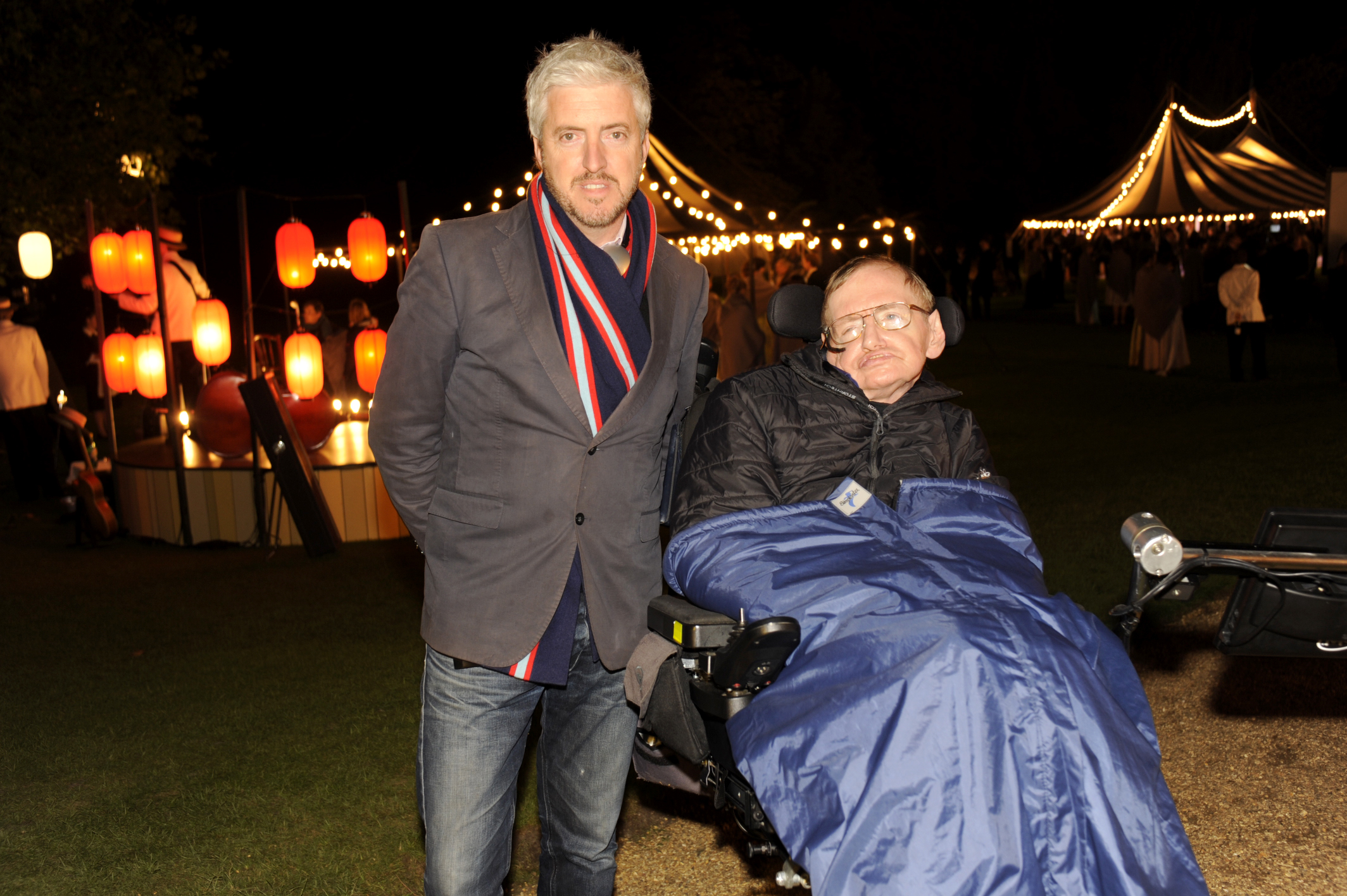
TTOE_D05_ 02461Interviewed by David Geary

Anthony McCarten was nominated for two Academy Awards in 2015: one for best picture producer and one as writer of the adapted screenplay for The Theory of Everything. The film is based on Jane Hawkings’ book, Travelling to Infinity: My Life with Stephen, about her first marriage to world-renowned physicist Professor Stephen Hawking. McCarten describes the story as about the love of physics and physics of love. The film was up for five Oscars in total (star Eddie Redmayne won for Best Actor), and this interview took place before the results were known.

McCarten is an all-rounder; an accomplished playwright, producer, screenwriter and novelist. His novels have been translated into 14 languages and have been finalists and award winners in both his homeland of New Zealand and internationally.

When asked for an interview about his career – from the wilds of New Zealand to the red carpet – he sent this link.

Your writing career started as a journalist?

No, at 17, I wanted to be a rock star. I had a Springsteen/Dylan/Neil Young/Tom Waits phase  (which is still on-going), and I cut a record. I wrote all the songs for the  album, did vocals and lead guitar. Oh, the folly of youth. I was wise enough to know that I sucked.  For a couple of years after that I was a journalist, the only one serving a small rural part of New Zealand. This served as my apprenticeship in writing on time for money to serve an audience. I got a free house, a car, and a cat. I was miserable. At some point I thought – Is that all there is? 

[Read more…]

Álvaro Miranda

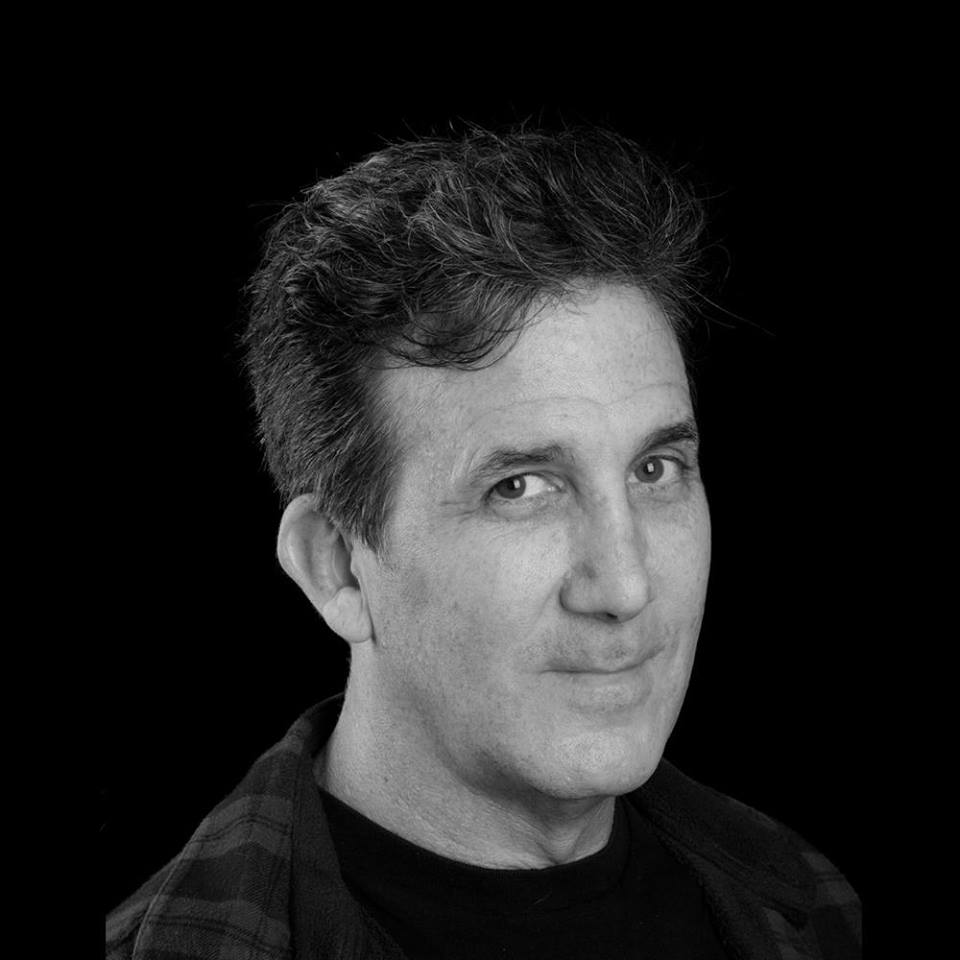
alvaro-miranda1[1]Interviewed by Camilo Castillo R

Álvaro Miranda is a poet, fiction writer, and biographer. I met Álvaro last October, when we were at a writing retreat in Saladoblanco, a small town in the state of Huila, Colombia. On the long journey from Bogotá we discussed poetry, literature, life. Later, in the workshops, I had the opportunity to listen to his poetry and was captivated by his sense of humour and his sensibility. After the trip, I read his book Simulación de un reino (2014) which includes old and new poems, and his novel La risa del cuervo (1992), where Caribbean rhythm, history, and poetry combine in a very stylized manner. I also read his recent biography of Toto La Momposina, Columbia’s most famous folk singer. In this book Álvaro illustrates that he sails easily between genres and forms. Some of his other books include Indiada (1971), Los escritos de don Sancho Jimeno (1982), La risa del cuervo (1992), Simulación de un reino (second edition, 2014). He also wrote Colombia la senda dorada del trigo: episodios de molineros, pan y panaderos (2000) an exploration of how bread was developed in Colombia, and the biography León de Greiff en el país de Bolombolo (2004). For this interview, we spoke about his poetry and his interest in history. The interview took place in Spanish and I translated it into English.

Álvaro, which author most influenced you to become a writer?

Santa Teresa de Jesús (Teresa of Ávila). I discovered her in an old book at school. I read that she was a fat lady who rode in a carriage in order to found abbeys, where she coerced women, those red-cheeked young Spanish ladies who laughed and pried at clean houses of high stone, to become novices. When I read her poems, I was transported to the century of Santa Teresa, the 16th century, but especially I was transported by the simplicity of her rhymes that put me in dialogue with another time and another light, a light that was more than Ávila, more than Spain: I discovered myself. I found something, a kind of meadowland artificially blooming over Teresa’s words. But her words were not hers anymore, they were mine.

[Read more…]

Ayelet Tsabari

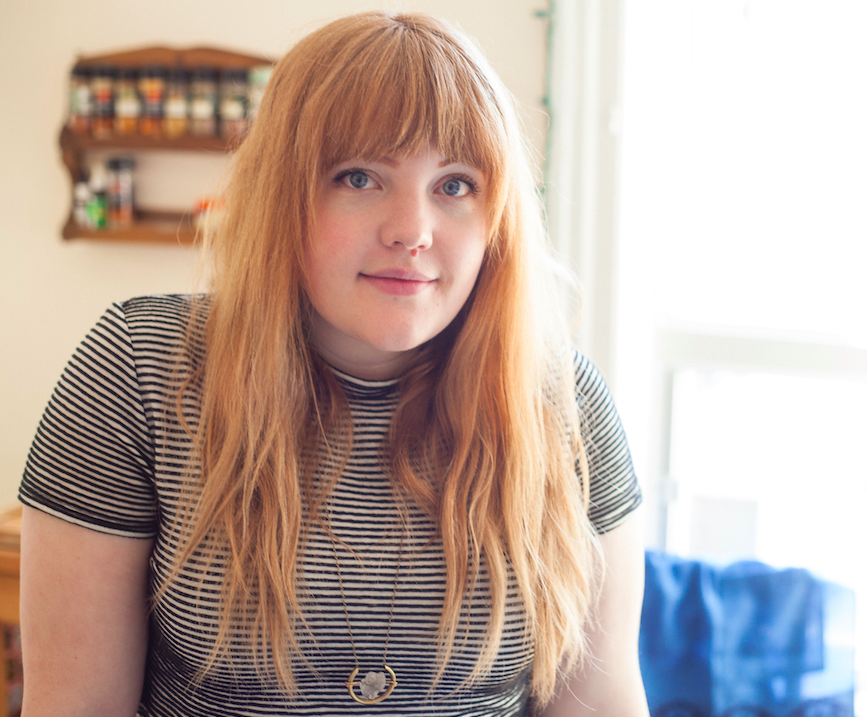
Ayelet TsabariInterviewed by Nicole Boyce

Ayelet Tsabari is the author of the short story collection The Best Place on Earth, which won the 2015 Sami Rohr Prize for Jewish Literature. In 2013, she was named as one of ten Canadian writers to watch by CBC Books and in 2014 she was awarded a Chalmers Arts Fellowship. A graduate of the MFA program at Guelph University, Ayelet teaches creative writing through the University of Toronto and the University of Guelph.

I first came to Ayelet’s work through her powerful non-fiction, for which she has won a National Magazine Award, a Western Magazine Award, and the EVENT Creative Non-fiction Contest (twice!). In both her fiction and non-fiction, I admire the way she depicts complex characters and relationships with confident, energetic prose. It was a pleasure to speak to her via email during her recent research trip to Israel.

You’ve been writing your whole life, having published your first poem at age ten. What drives you to write?

I can’t explain it. It’s like love. I feel like it chose me, not the other way around.

[Read more…]

Susannah Cahalan

clahanInterviewed by Jeri Knopp

Susannah Cahalan got her start in journalism in the summer after junior year, when she got an internship at the New York Post, and worked her way up from grabbing coffee and making photocopies to a general assignment reporter.

One day in early 2009, Cahalan woke up in a strange hospital room, strapped to her bed, under guard, and unable to move or speak. Her medical records from a month-long hospital stay showed psychosis, violence, and dangerous instability. Her New York Times bestselling memoir Brain on Fire chronicles the swift path of her illness and the lucky, last-minute intervention led by one of the few doctors capable of saving her life. As time passed and she moved inexplicably from violence to catatonia, $1-million worth of blood tests and brain scans revealed nothing. The exhausted doctors were ready to commit her to the psychiatric ward, in effect condemning her to a lifetime of institutions, or death, until Dr. Souhel Najjar joined her team. He asked her to draw a simple sketch of a clock, which became key to diagnosing her with a newly discovered autoimmune disease in which her body was attacking her brain.

Also in 2009, Cahalan was the recipient of the Silurian Award of Excellence for the article “My Mysterious Lost Month of Madness,” on which Brain on Fire is based. Her work has also been featured in The New York Times, Scientific American, Psychology Today, and Focus, and she still works for the New York Post, now as their books editor.

As a huge fan of Brain on Fire, I emailed Cahalan requesting an interview, and we spoke on the phone shortly afterward.

When did you decide that writing was something that you wanted to pursue?

Probably for as long as I can remember. You know, those are the classes I enjoyed most. I kept journals when I was really a little kid, I still have them.

[Read more…]

Rob Ulin

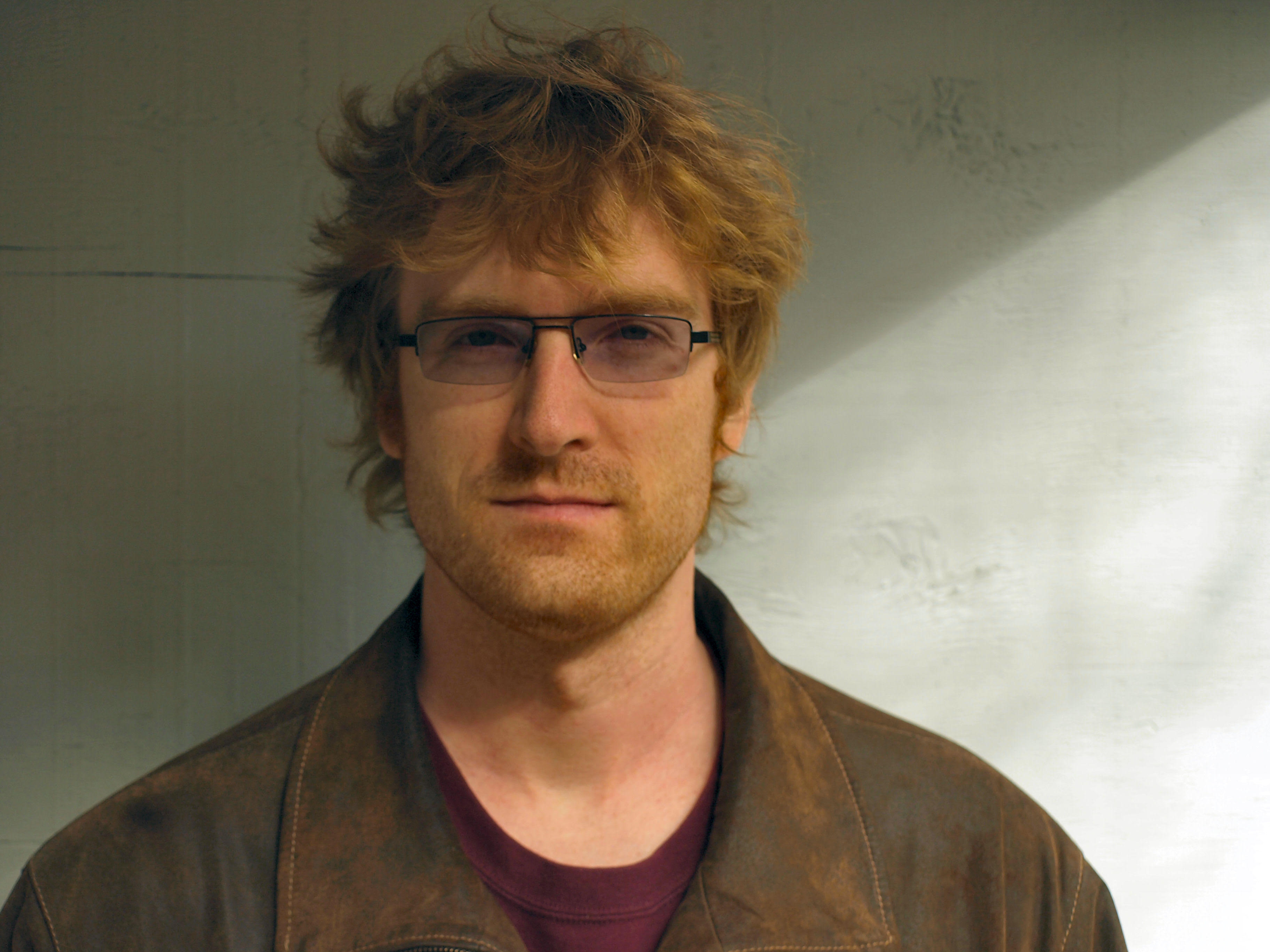
Rob Ulin headshotInterviewed by Chloe Rose

Rob Ulin graduated from Harvard College in 1984, where he was an editor of the Harvard Lampoon.  He got his first job in show business writing for TV producer Norman Lear.  He went on to write for the Jim Henson-produced TV show Dinosaurs. and was later  head writer and executive producer for the hit comedy Roseanne.  He has also been a co-executive producer on Malcolm in the Middle and The Middle.

When I was five, I travelled to Los Angeles with my family to visit Rob Ulin—my Uncle Rob, who at that time was working on Malcolm in the Middle. Too young to understand the complicated machine that was a full-scale production, my most distinctive memory of that visit is of the famous “candy cupboard”: a room brimming with every candy bar in the known universe and reserved for the writing team on Malcolm. I was immediately convinced that writing was a worthy career.

Only years later would my passion for screenwriting grow beyond my love for skittles, and the questions I want to ask my Uncle Rob are no longer limited to “how many of these Starbursts can I take home with me?”

Based on your years of experience, what top five (or two or ten) pieces of advice would you have for someone looking to make a go of it as a screenwriter?

Look for valid, constructive criticism of your writing, and then don’t take it personally or be hurt by it.  Don’t give your screenplay to someone hoping they will just tell you how wonderful it is.  Give it with the hope that they will see something wrong that you didn’t notice that will open up your mind to new possibilities. 

Always be nice to people.

Learn everyone’s name.

Read your favourite screenplays or TV scripts and try to figure out why you like them so much.  It’s not just that they have the best jokes.  Map out the structure of your favourite scripts or shows.  Write scene-by-scene outlines of them.  You will be surprised at the ingenuity of the structure when it is laid out in front of you.

[Read more…]